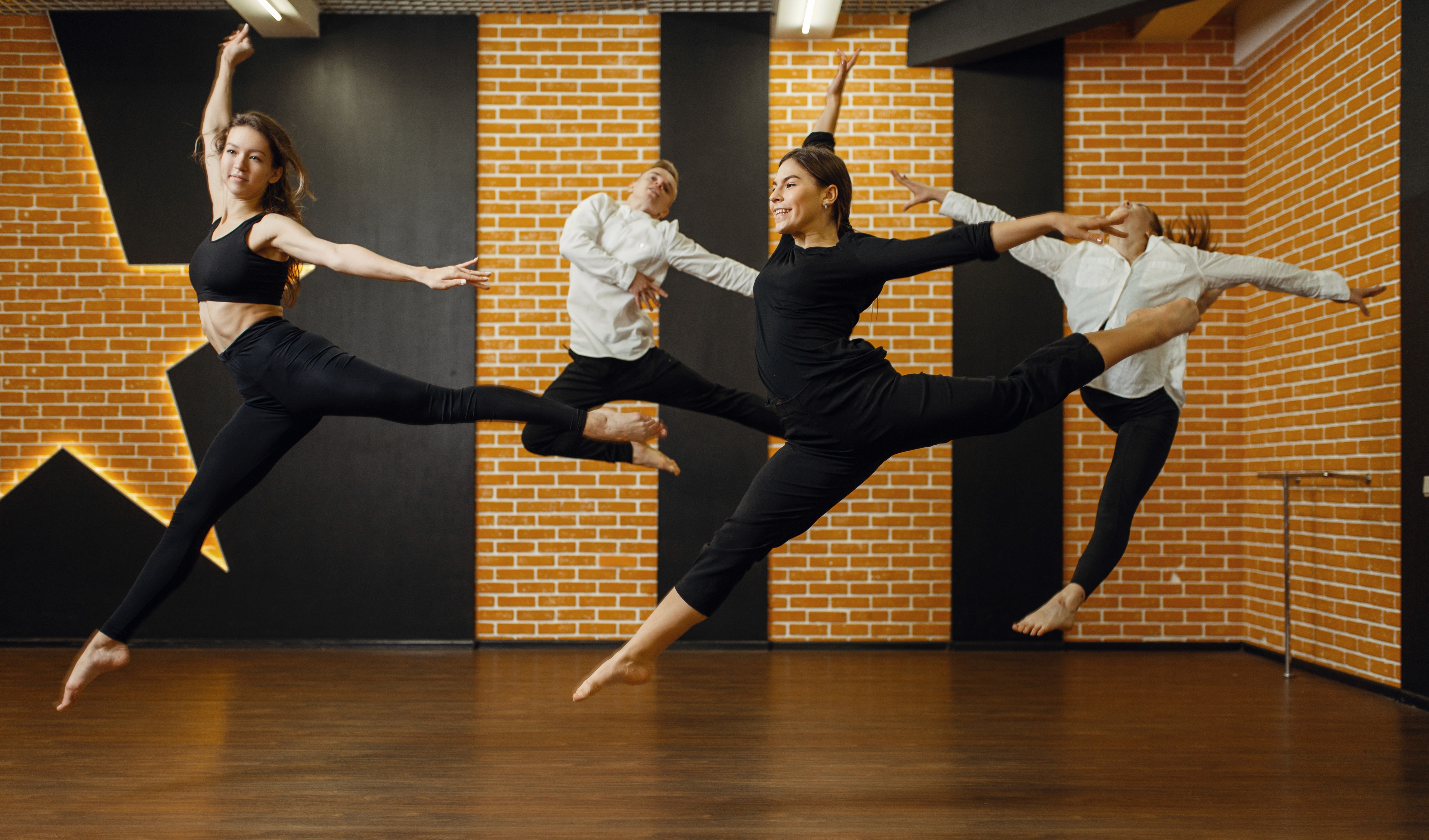
💃 Why Dancing is a Brain Booster
At Joy Lab Fitness + Social Club we often talk about heart rates, muscles, and movement—but one of the most powerful benefits of dancing is what it does for your brain. From strengthening memory to enhancing coordination and even reducing cognitive decline, dance is far more than just fun—it’s brain health in motion.
🧠 The Science Behind It
Researchers at Harvard Medical School note that dance activity engages a broad set of brain areas: motor cortex, somatosensory cortex, basal ganglia and cerebellum—regions involved in planning, executing and adjusting movement. Harvard Medical School
A 2021 study (“Dance on the Brain: Enhancing Intra- and Inter-Brain Synchrony”) found that dance training enhances neurobehavioural functions and interpersonal coordination skills, suggesting dance fosters broad connectivity in the brain. PubMed Central
A 2023 systematic review found that dance therapy in older adults (55+) with mild cognitive impairment significantly improved global cognitive function, memory, executive function, attention and language. BioMed Central
Another large review in 2024 (Australian researchers) found that structured dance programs may be better than many other forms of exercise for psychological and cognitive outcomes—including memory, social cognition and mood. The University of Sydney
🕺 What’s Going On in Your Brain When You Dance?
Complex movement + music + rhythm: Learning dance steps means your brain is constantly processing timing, spatial relations, memory of steps, coordination, and responding to music cues. Together that stimulates neuroplasticity. Psychology Today+1
Social interaction: Many dance styles involve others—partners, groups, syncopation. Social engagement itself triggers reward circuits, oxytocin, mood boosts, which in turn support brain health. National Geographic
Multisensory integration: You’re hearing (music), moving (motor control), seeing (your surroundings, partners), adjusting (feedback) — all of which require your brain to integrate multiple streams. That strengthens connections. PubMed Central
Protective effect against cognitive decline: The famous 2003 study from Albert Einstein College of Medicine found that among several leisure physical activities (cycling, golf, swimming, dancing etc), only dancing was significantly associated with lower risk of dementia. Harvard Medical School+1
🎯 Why This Matters for You & Our Community
As a member of Joy Lab, here’s how this translates:
When you participate in our WERQ dance fitness class (a workout with rhythm, sync, group fun) you’re doing more than burning calories—you’re exercising your brain.
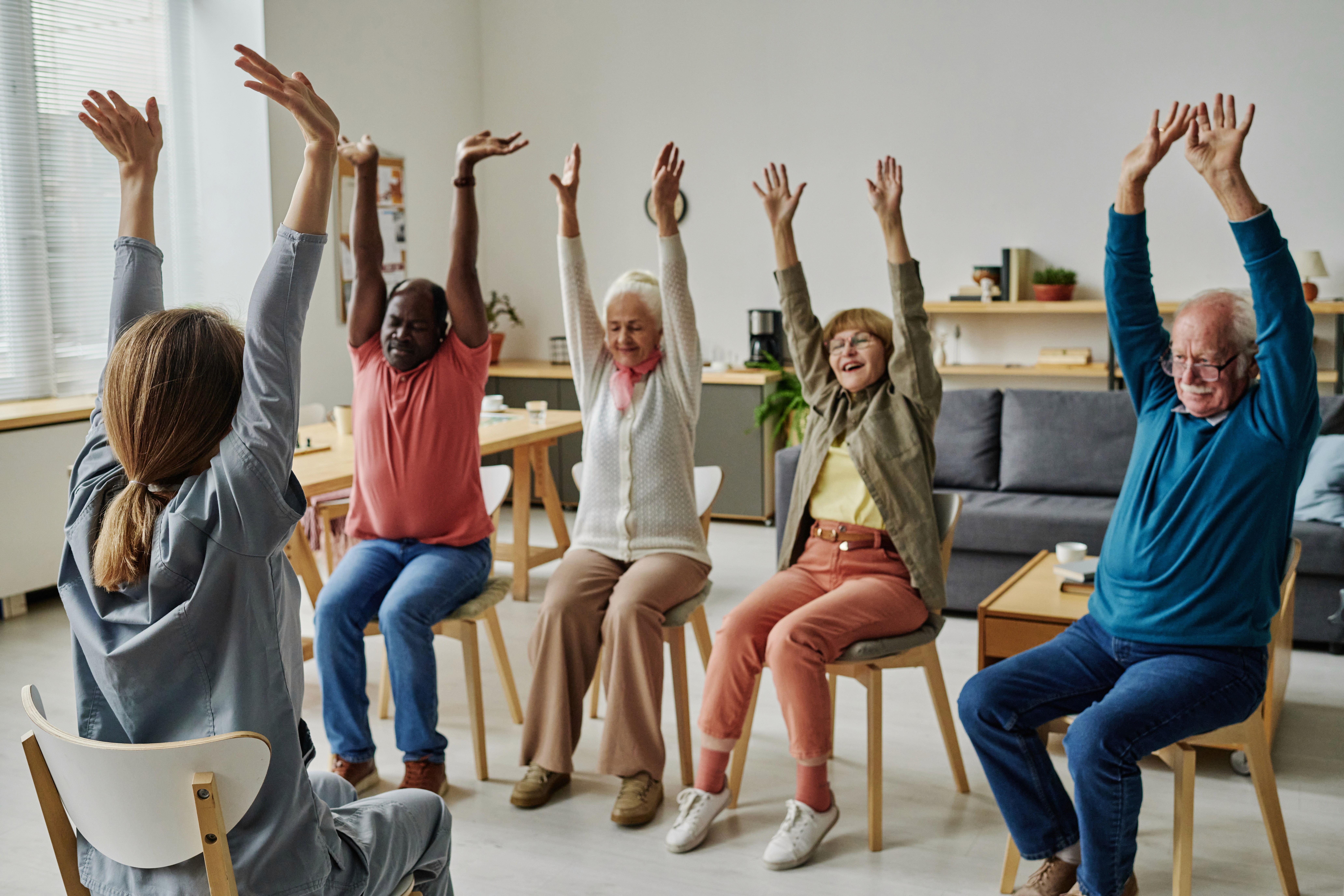
For older members, or anyone wanting long-term cognitive resilience, regular dance/movement classes help maintain memory, executive function and attention: key to staying sharp, independent and engaged.
For younger members, this provides a fun, engaging way to build brain-fitness, not just muscle-fitness.
Plus the social environment we create at Joy Lab Fitness + Social Club amplifies the benefit: you’re moving together, sharing rhythms, seeing each other, connecting. That social dimension often makes a difference in adherence (you keep coming back) and adds another layer of brain benefit.
📝 A Few Practical Tips to Get the Most Brain-Benefit from Dancing at Joy Lab
Try something new regularly. Novel sequences mean your brain has to learn and adapt, which drives plasticity.
Keep it consistent. Studies show longer interventions (for example > 3 months) have stronger effects on cognitive outcomes. BioMed Central
Have fun with it. Because when you enjoy it, you stay with it—and repeated brain stimulation over time is where the big benefit lies.
✅ Final Word
Dancing is one of the rare activities that combines rhythm, coordination, learning, socialization and fun—all in one. At Joy Lab Fitness + Social Club we invite you not just to move, but to dance for your brain.
💃 Why Dancing is a Brain Booster
At Joy Lab Fitness + Social Club we often talk about heart rates, muscles, and movement—but one of the most powerful benefits of dancing is what it does for your brain. From strengthening memory to enhancing coordination and even reducing cognitive decline, dance is far more than just fun—it’s brain health in motion.
🧠 The Science Behind It
Researchers at Harvard Medical School note that dance activity engages a broad set of brain areas: motor cortex, somatosensory cortex, basal ganglia and cerebellum—regions involved in planning, executing and adjusting movement. Harvard Medical School
A 2021 study (“Dance on the Brain: Enhancing Intra- and Inter-Brain Synchrony”) found that dance training enhances neurobehavioural functions and interpersonal coordination skills, suggesting dance fosters broad connectivity in the brain. PubMed Central
A 2023 systematic review found that dance therapy in older adults (55+) with mild cognitive impairment significantly improved global cognitive function, memory, executive function, attention and language. BioMed Central
Another large review in 2024 (Australian researchers) found that structured dance programs may be better than many other forms of exercise for psychological and cognitive outcomes—including memory, social cognition and mood. The University of Sydney
🕺 What’s Going On in Your Brain When You Dance?
Complex movement + music + rhythm: Learning dance steps means your brain is constantly processing timing, spatial relations, memory of steps, coordination, and responding to music cues. Together that stimulates neuroplasticity. Psychology Today+1
Social interaction: Many dance styles involve others—partners, groups, syncopation. Social engagement itself triggers reward circuits, oxytocin, mood boosts, which in turn support brain health. National Geographic
Multisensory integration: You’re hearing (music), moving (motor control), seeing (your surroundings, partners), adjusting (feedback) — all of which require your brain to integrate multiple streams. That strengthens connections. PubMed Central
Protective effect against cognitive decline: The famous 2003 study from Albert Einstein College of Medicine found that among several leisure physical activities (cycling, golf, swimming, dancing etc), only dancing was significantly associated with lower risk of dementia. Harvard Medical School+1
🎯 Why This Matters for You & Our Community
As a member of Joy Lab, here’s how this translates:
When you participate in our WERQ dance fitness class (a workout with rhythm, sync, group fun) you’re doing more than burning calories—you’re exercising your brain.
For older members, or anyone wanting long-term cognitive resilience, regular dance/movement classes help maintain memory, executive function and attention: key to staying sharp, independent and engaged.
For younger members, this provides a fun, engaging way to build brain-fitness, not just muscle-fitness.
Plus the social environment we create at Joy Lab Fitness + Social Club amplifies the benefit: you’re moving together, sharing rhythms, seeing each other, connecting. That social dimension often makes a difference in adherence (you keep coming back) and adds another layer of brain benefit.
📝 A Few Practical Tips to Get the Most Brain-Benefit from Dancing at Joy Lab
Try something new regularly. Novel sequences mean your brain has to learn and adapt, which drives plasticity.
Keep it consistent. Studies show longer interventions (for example > 3 months) have stronger effects on cognitive outcomes. BioMed Central
Have fun with it. Because when you enjoy it, you stay with it—and repeated brain stimulation over time is where the big benefit lies.
✅ Final Word
Dancing is one of the rare activities that combines rhythm, coordination, learning, socialization and fun—all in one. At Joy Lab Fitness + Social Club we invite you not just to move, but to dance for your brain.
💃 Why Dancing is a Brain Booster
At Joy Lab Fitness + Social Club we often talk about heart rates, muscles, and movement—but one of the most powerful benefits of dancing is what it does for your brain. From strengthening memory to enhancing coordination and even reducing cognitive decline, dance is far more than just fun—it’s brain health in motion.
🧠 The Science Behind It
Researchers at Harvard Medical School note that dance activity engages a broad set of brain areas: motor cortex, somatosensory cortex, basal ganglia and cerebellum—regions involved in planning, executing and adjusting movement. Harvard Medical School
A 2021 study (“Dance on the Brain: Enhancing Intra- and Inter-Brain Synchrony”) found that dance training enhances neurobehavioural functions and interpersonal coordination skills, suggesting dance fosters broad connectivity in the brain. PubMed Central
A 2023 systematic review found that dance therapy in older adults (55+) with mild cognitive impairment significantly improved global cognitive function, memory, executive function, attention and language. BioMed Central
Another large review in 2024 (Australian researchers) found that structured dance programs may be better than many other forms of exercise for psychological and cognitive outcomes—including memory, social cognition and mood. The University of Sydney
🕺 What’s Going On in Your Brain When You Dance?
Complex movement + music + rhythm: Learning dance steps means your brain is constantly processing timing, spatial relations, memory of steps, coordination, and responding to music cues. Together that stimulates neuroplasticity. Psychology Today+1
Social interaction: Many dance styles involve others—partners, groups, syncopation. Social engagement itself triggers reward circuits, oxytocin, mood boosts, which in turn support brain health. National Geographic
Multisensory integration: You’re hearing (music), moving (motor control), seeing (your surroundings, partners), adjusting (feedback) — all of which require your brain to integrate multiple streams. That strengthens connections. PubMed Central
Protective effect against cognitive decline: The famous 2003 study from Albert Einstein College of Medicine found that among several leisure physical activities (cycling, golf, swimming, dancing etc), only dancing was significantly associated with lower risk of dementia. Harvard Medical School+1
🎯 Why This Matters for You & Our Community
As a member of Joy Lab, here’s how this translates:
When you participate in our WERQ dance fitness class (a workout with rhythm, sync, group fun) you’re doing more than burning calories—you’re exercising your brain.
For older members, or anyone wanting long-term cognitive resilience, regular dance/movement classes help maintain memory, executive function and attention: key to staying sharp, independent and engaged.
For younger members, this provides a fun, engaging way to build brain-fitness, not just muscle-fitness.
Plus the social environment we create at Joy Lab Fitness + Social Club amplifies the benefit: you’re moving together, sharing rhythms, seeing each other, connecting. That social dimension often makes a difference in adherence (you keep coming back) and adds another layer of brain benefit.
📝 A Few Practical Tips to Get the Most Brain-Benefit from Dancing at Joy Lab
Try something new regularly. Novel sequences mean your brain has to learn and adapt, which drives plasticity.
Keep it consistent. Studies show longer interventions (for example > 3 months) have stronger effects on cognitive outcomes. BioMed Central
Have fun with it. Because when you enjoy it, you stay with it—and repeated brain stimulation over time is where the big benefit lies.
✅ Final Word
Dancing is one of the rare activities that combines rhythm, coordination, learning, socialization and fun—all in one. At Joy Lab Fitness + Social Club we invite you not just to move, but to dance for your brain.